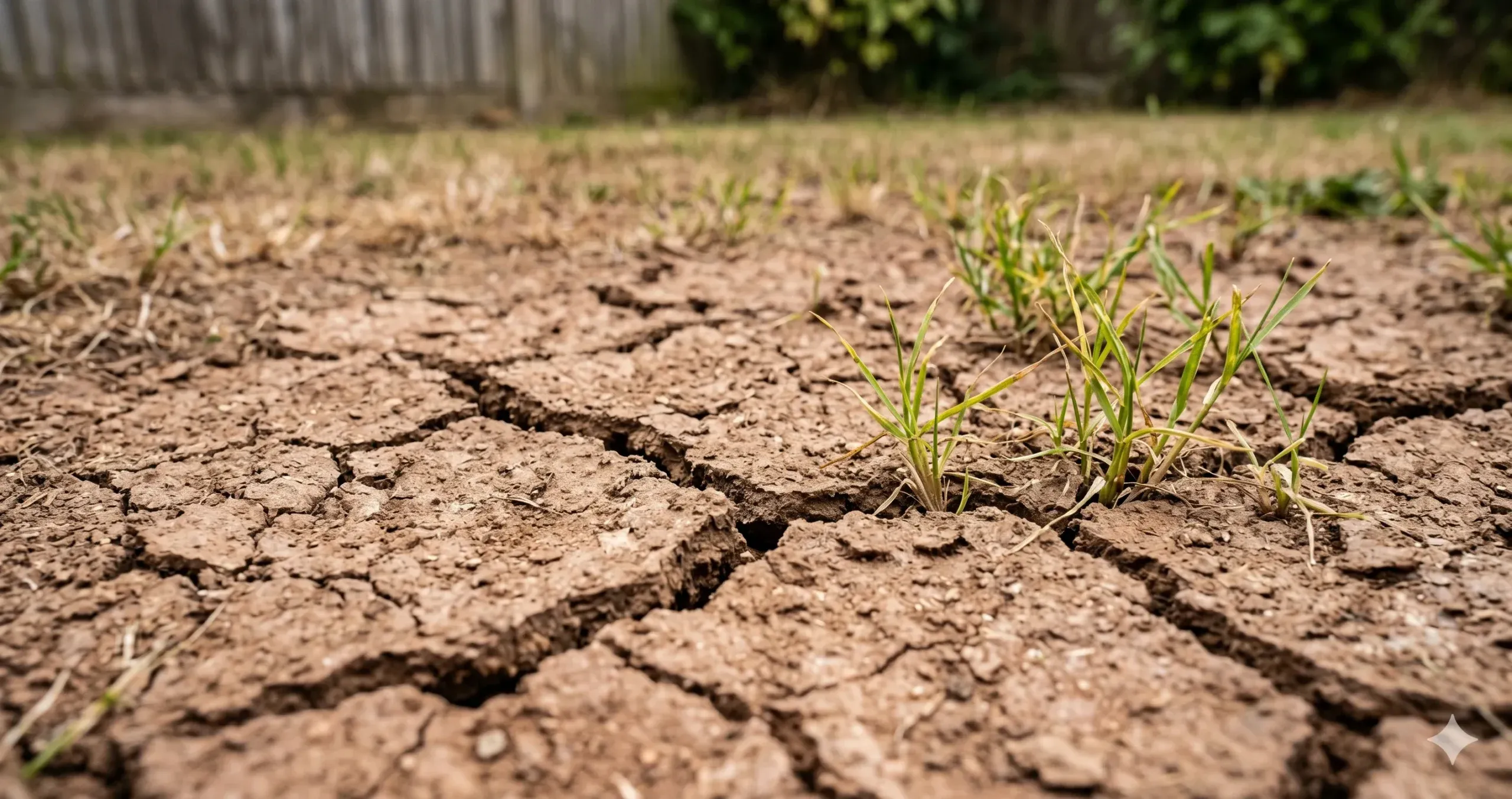
Soil
How to Fix Compacted Clay Soil Lawn (Without Digging)
Learn how to diagnose and improve a compacted clay-soil lawn with core aeration, suitable topdressing, leveling, and overseeding.
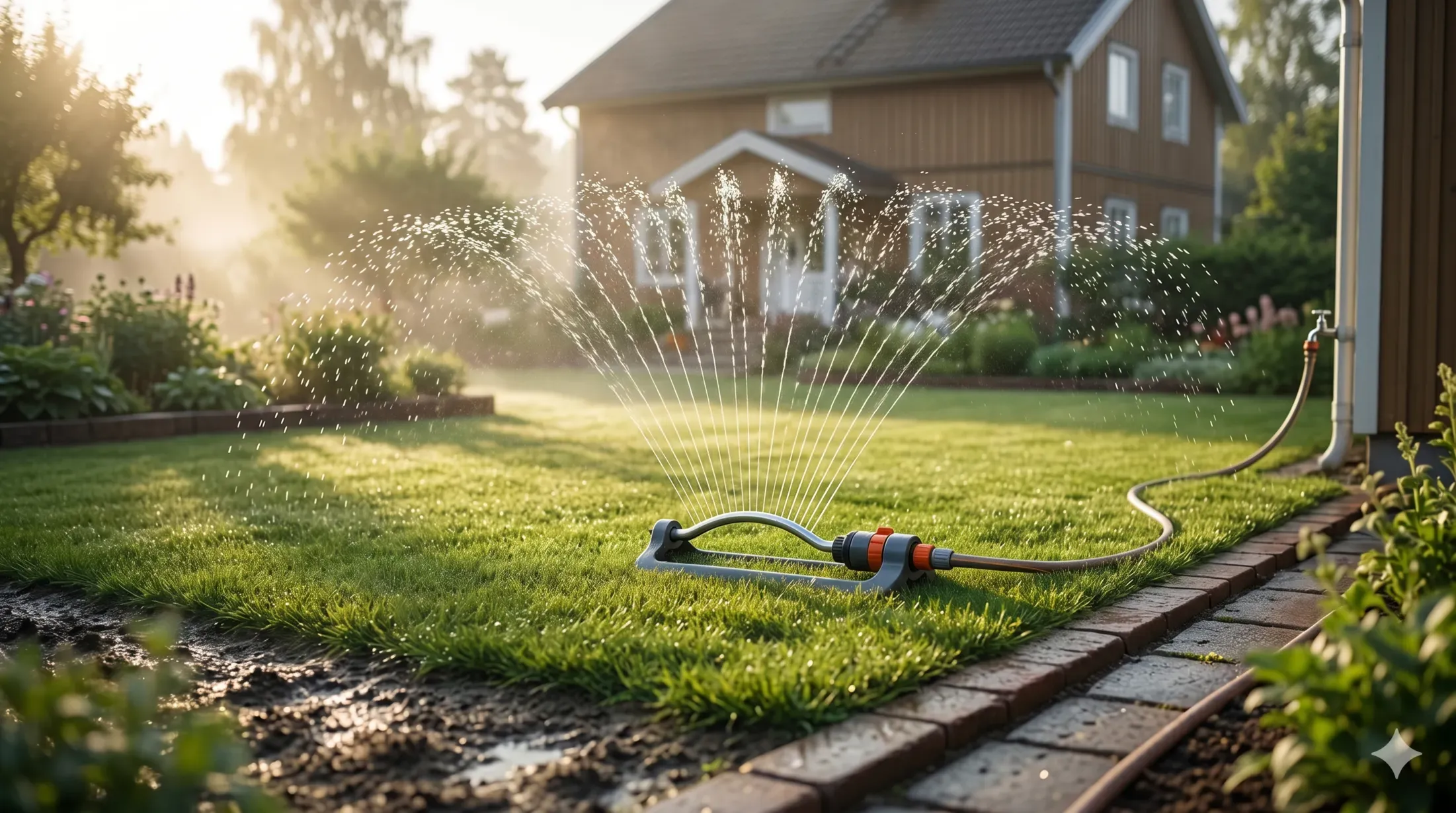
Hard ground, bare patches, or grass that never quite gets going. Our clay-soil guides help you work out what to try next.
Get to know your soilThese guides help you look at the ground, the water, and the grass before deciding which job comes next.
Soil
Learn how to diagnose and improve a compacted clay-soil lawn with core aeration, suitable topdressing, leveling, and overseeding.
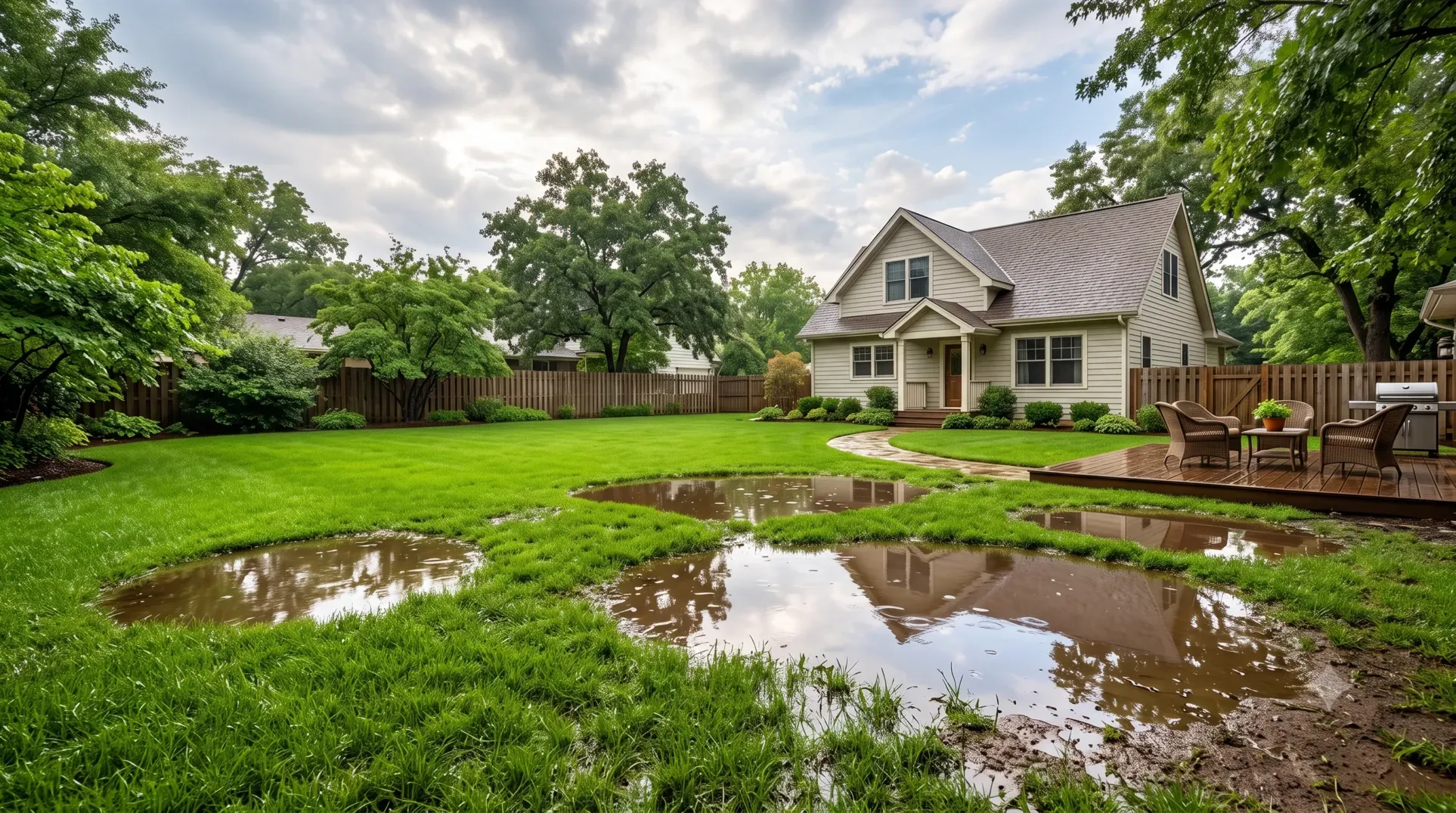
Soil
Learn how to diagnose standing water on a clay lawn and compare soil, grading, runoff, rain-garden, and drainage options.
Growth
Choose grass seed for clay soil by climate, sun, drainage, traffic, and maintenance. Compare cool- and warm-season options and prepare the seedbed.
Browse by topic when you know what you'd like to work on.
Practical guides to repairing damaged, uneven, stressed, and problem lawns.
Practical guides to improving clay soil, compaction, drainage, and lawn soil structure.
Guides to growing healthier grass through seeding, watering, mowing, and fertilization.
Practical approaches to controlling weeds and unwanted growth in difficult lawn conditions.
Lawn tools and equipment recommendations for repairing and maintaining challenging lawns.
Tools
Repair
Soil
Growth
Soil
Soil